The FEED1 trial
FEED1 has completed recruitment.The results of the main study, and the health economics study are available below.
Main Study Results
Please click the video below to hear Shalini Ojha present the FEED1 results
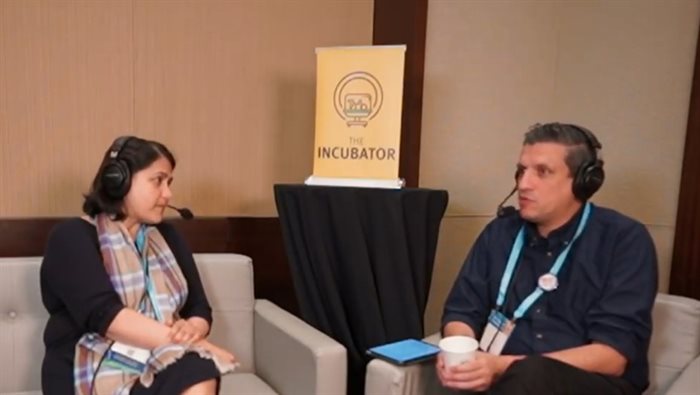
Shalini was invited to present the results at the Hot Topics in Neonatology® Conference in Washington DC and also discussed the results on the Incubator Podcast. You can see the Podcast here.
The FEED1 trial shows that babies born 8 to 10 weeks early can be full milk fed from the day of birth without increasing the risk of complications and with a small but significant reduction in need for invasive procedures such as intravenous lines and parenteral nutrition.
The full report of the results has been published in the Journal Lancet Child and Adolescent Health and can been accessed, free of charge, here.
The press release can be accessed here.
Health Economics Results
What does early full milk feeding mean for National Health Service (NHS) costs?
The economic part of the FEED1 trial looked at whether starting full milk feeds from birth is more or less costly for the NHS than babies who were gradually fed and had intravenous nutrition. Here’s what we found:
• It didn’t cost more Babies who had full milk feeds from day one cost the NHS about the same as babies who had gradual feeding. On average, costs were slightly lower, but the difference was small.
• Babies used less intensive careThose babies on full feeds spent fewer days in the most expensive, highly staffed intensive care cots, and more time in lower-dependency care cots. This means that full milk feeds from birth may help to free up intensive care beds, which are often in short supply.
• Some babies might save more money than others Babies born at 30 weeks and those who were smaller than expected at birth seemed to cost less when given full feeds, but this isn’t certain and needs more research.
• No extra costs after going home Babies in both feeding groups used similar amounts of NHS care after discharge, such as GP visits or hospital readmissions.
Starting full milk feeds from birth appears to be just as affordable as babies who were gradually fed and had intravenous nutrition, with signs it could help reduce pressure on intensive care units.
The full report of the health economics results has been published in the Archives of Disease in Childhood and can been accessed, free of charge, here.
What is the FEED1 trial?
In the UK around 8 in 100 babies are born prematurely, and around 12% of these are born between 30 and 33 weeks.
Babies who are born early cannot feed for themselves and are given small amounts of milk through a tube into their stomach. These babies are also given additional nutrition through a drip into their veins (intravenously or IV). The amount of milk given is slowly increased until they are fully milk fed and no longer have the need for any additional nutrients. For the purpose of this study, we will refer to this method as “gradual milk feeds”.
In the past, premature babies have not been started on full milk feeds because of concerns of a serious bowel disease called Necrotising Enterocolitis (NEC), however, evidence is building to suggest that in premature babies who aren’t too poorly, larger milk feeds can be successfully given without increasing the risk of NEC, and might also reduce the risk of severe infection.
We are trying to find out the best way to feed babies born between 30 and 33 weeks to keep them healthy in the long term. We want to know whether starting babies on full milk feeds rather than gradually increasing their milk feeds will:
- Reduce the number of days they need to stay in hospital
- Reduce the risk of infection
- Allow the mother to be more involved in caring for the baby
- Increase parent-infant bonding
- Promote and encourage breast feeding from an earlier stage
- Make more space in the hospital for other sick babies
- Reduce the costs to the parents and to the NHS
To answer these questions, we need to conduct a large study to compare full milk feeds and gradual milk feeds.
Who is organising and funding this study?
The University Hospitals of Derby and Burton NHS Foundation Trust are the sponsor of this study. The study is coordinated by the Nottingham Clinical Trials Unit.
The study is funded by the research arm of the NHS, the National Institute for Health Research Health Technology Assessment (NIHR HTA) Programme.
The FEED1 team includes doctors, midwives, parents of preterm babies, health economists, and clinical trial experts. See full details of our team here.
The study is supported by Bliss, UK’s largest charity for babies born sick and preterm.
Further information:
Further information for Parents and Families
Further information for Health Care Professionals
Recruitment Total
Recruitment for this study has now stopped.
2088 babies are taking part in FEED1
To view the recruitment figures please click here.
Thank you for your continued support
FEED1 'X'